


Wooden toys are a beautiful, long-lasting choice for young children — but like any toy, they deserve a little care and attention to keep them safe, clean, and enjoyable for years to come. This guide covers everything Australian families need to know about choosing, inspecting, cleaning, and storing wooden toys.
Choosing Safe Wooden Toys
When shopping for wooden toys, look for these important markers of quality and safety:
- Age-appropriate design: Always check the recommended age on the packaging. Toys with small parts or beads (such as abacus-style toys) are typically recommended for children 2 years and over to reduce choking risk.
- Smooth edges and surfaces: Run your hand across all edges, corners, and surfaces before giving a toy to your child. Quality wooden toys should have no rough patches, splinters, or sharp edges.
- Non-toxic finishes: Look for toys that specify non-toxic paints, water-based dyes, or food-grade finishes on packaging or product descriptions. If a product carries a third-party certification (such as CE marking, ASTM, or EN71), that indicates it has been independently tested — always check what specific certifications a product claims rather than assuming.
- Sturdy construction: Joints, pegs, and moving parts should fit securely. Wiggle any knobs, wheels, or attachments before purchase or before first use.
Browse our full Wooden Toys collection to explore age-rated, quality-tested options for every stage.
Inspecting Wooden Toys Regularly
Regular inspection is one of the most important things you can do to keep wooden toys safe — especially as they age and are used regularly.
What to check and how often:
- Weekly quick check: Run your fingers along all surfaces for new splinters or rough patches. Check that any painted or stained areas haven't started to chip or peel. Look for cracks in the wood, particularly along joints.
- Monthly thorough inspection: Check that screws, pegs, beads, and wheels are still firmly attached. Test any moving mechanisms (like those on a baby walker or workbench) to ensure they operate smoothly and safely. Look for signs of warping, especially if toys have been in humid conditions.
- After any accident or fall: Inspect the toy thoroughly before returning it to your child.
When to retire a toy: If a wooden toy has deep cracks, significant chipping of paint/finish, broken or loose small parts, or any structural damage, it's time to set it aside. No toy is worth a safety risk.
Cleaning Wooden Toys
Wood is a natural material that reacts to moisture, so the cleaning approach matters.
Day-to-day cleaning
- Wipe with a lightly dampened cloth (wrung out well so it's barely moist).
- For general grime, a tiny drop of mild dish soap on the damp cloth works well — wipe, then follow immediately with a clean damp cloth to remove any soap residue.
- Dry immediately with a dry cloth and allow to air dry completely in a ventilated area before storing or returning to the toy box.
- Never submerge wooden toys in water or put them in the dishwasher — this can cause warping, swelling, and cracking.
Disinfecting when needed
- Mix a solution of 1 tablespoon white vinegar per 1 cup of water. Lightly dampen a cloth, wipe the toy, and dry immediately.
- Alternatively, a very light mist of diluted isopropyl alcohol (70%) can be used — spray onto a cloth rather than directly onto the toy, wipe, and dry promptly.
- Avoid bleach-based products, which can damage finishes and the wood itself.
Dealing with mould or mildew
- If mould appears (usually from prolonged moisture exposure), it's generally safest to retire that toy rather than attempt to clean it for continued use by young children.
Caring for the Wood
Unfinished or lightly finished wooden toys can benefit from occasional conditioning to prevent drying and cracking.
- Use a small amount of food-grade beeswax or pure coconut oil rubbed in with a soft cloth, then buffed off — this is especially useful for natural/unfinished wood toys or after heavy use.
- Avoid vegetable oils that can go rancid over time (such as olive oil).
- Only condition toys when they are thoroughly clean and dry.
- Always check manufacturer guidance first — some toys with specific coatings or finishes may have different care requirements.
Storing Wooden Toys
Proper storage extends the life of wooden toys significantly and helps maintain their safety.
- Store in a cool, dry place away from direct sunlight, which can cause fading and drying.
- Avoid damp areas like bathrooms, laundry rooms, or outdoor storage — moisture is the main enemy of wood.
- Open baskets or breathable cotton storage bags are ideal — they allow air circulation and prevent moisture build-up.
- Avoid sealed plastic tubs for long-term storage unless you're sure toys are completely dry first.
- Store different toy sets together (e.g., all puzzle pieces in one container) so you can quickly spot if a piece is missing during your next inspection.
Featured Wooden Toys at BabyCoo
Here are some of our most loved wooden toys, designed with little ones in mind:
- Tooky Toy Wooden Alphabet Abacus (2Yrs+) — a classic learning toy with smooth wooden beads.
- Tooky Toy Wooden Stacking Bear Puzzle (12M+) — chunky, easy-to-grasp pieces perfect for babies and toddlers.
- Tooky Toy Wooden Baby Walker with 22 Blocks (12M+) — a sturdy, multi-function first walker.
- LaLaLull Australia® Wooden Stacking Toy – Large Waterwaves — a beautifully crafted Australian-designed stacking toy.
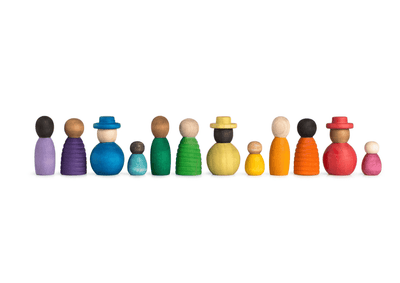
- LaLaLull Australia® Wooden Peg Dolls – Together — open-ended imaginative play with natural wood.
- Tooky Toy Deluxe Wooden Work Bench (3Yrs+) — a hands-on, pretend-play favourite for older toddlers.
Shop the full Wooden Toys range →
Have questions about a specific product's finish, certifications, or age rating? Reach out to the BabyCoo team — we're happy to help you find the right toy for your little one.